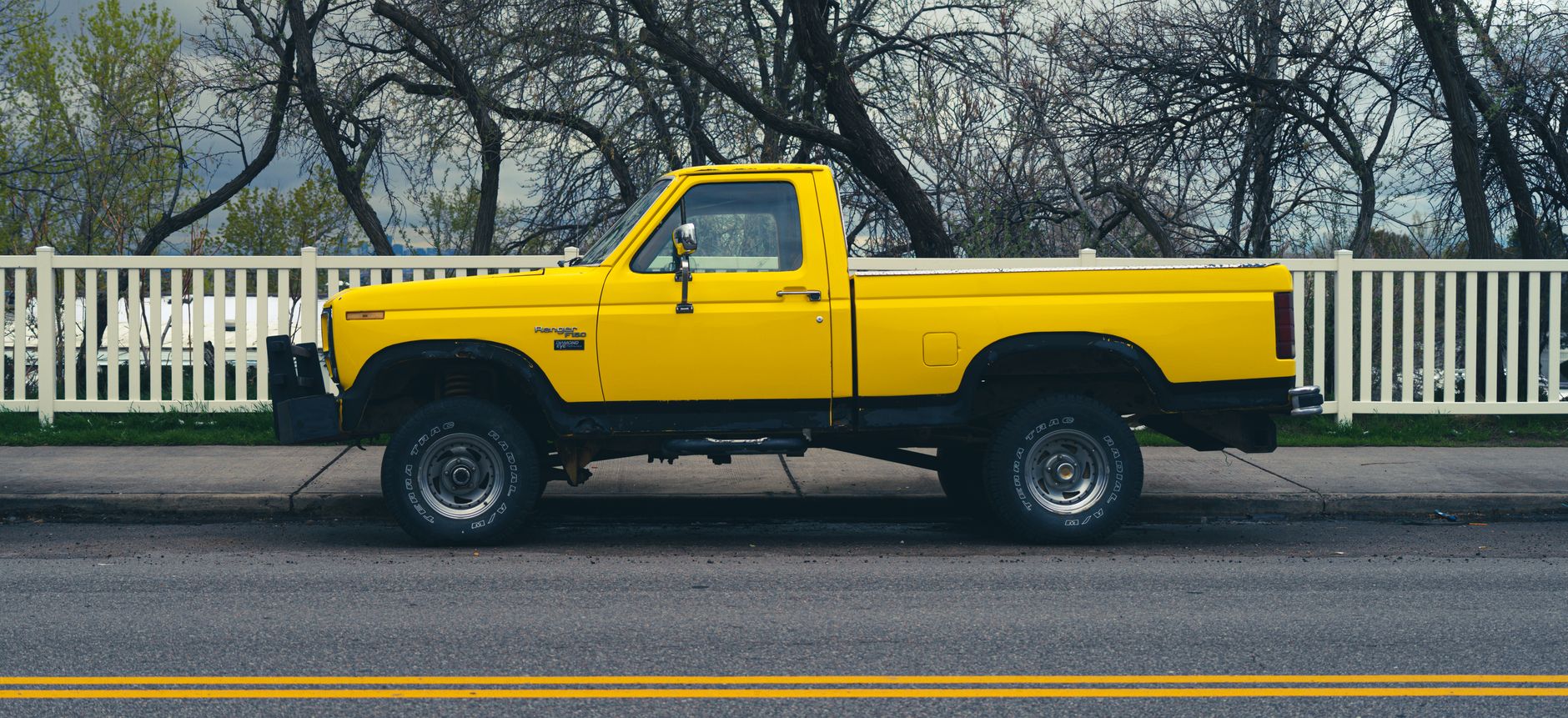
Cranking power matched to your engine is the whole decision. A diesel needs far more than a gas motor, and the cold needs more again. Here is how to size it right, jump safely, and which five units are worth buying.
Updated June 2026·15 min read·Built around real cranking-amp math and safe procedure, not peak-amp marketing
A diesel is not a gas engine with a different fuel. It crushes air to far higher compression, the starter has to spin a heavier rotating assembly, and on a cold morning the oil turns to honey and fights every revolution. That is why the pocket-size jump starter that revives your wife's sedan will sit there blinking and do nothing for a 6.7L Cummins. The job is bigger, and the tool has to be sized for it. Get the cranking power right and a good lithium pack will fire a stone-cold diesel in seconds. Get it wrong and you are stranded with a dead truck and a dead toy.
So this page does not hand you a ranking and walk off. It starts with a calculator that asks the two things that actually move the number, your engine displacement and how cold it gets where you live, and points you at an output tier and a unit that supports it. Then it shows the simple math behind that number, roughly two cold-cranking amps per cubic inch, or about 120 CCA per liter, so you can sanity-check it for your own truck. It routes by engine, compares five real units on the specs that matter, and is blunt about when a given pack is the wrong tool.
One thing up front, because this is a high-current device. A jump starter dumps a lot of energy through those clamps in an instant, and a careless connection can spark right next to a battery that is venting hydrogen. Right-sizing is half the safety story and correct procedure is the other half, so this guide treats both as load-bearing. A jump pack is also a get-out-of-trouble tool, not a cure: if your truck needs a jump every cold morning, you have a battery, alternator or parasitic-draw problem to fix, and no pack on this page makes that go away.
Interactive
Size the right jump starter for diesel trucks
Set the two things that actually move the number, your engine displacement and how cold it gets. The calculator returns an output tier, a rough cranking target and the unit that fits.
Answer two questions
Rough target uses the displacement rule, about 120 CCA per liter, then adds a cold-weather margin. Treat it as a planning figure, not a substitute for your engine's specs.
Your output tierHigh outputAround 700 CCA, with a comfortable margin on top
Suggested unit
Hulkman Alpha 100
high output with a live display
For a mid-to-large diesel in milder weather, the high-output Alpha 100 has the cranking power and a live display that shows charge and connection status, so you are never guessing at the roadside.
A sizing guide. Always confirm the unit states diesel support for your exact engine.
The math
The only number that matters: cranking amps vs your engine
Peak amps sell jump starters. Cranking amps start diesels. The number you actually buy to is how much sustained current the pack can push into a cold, high-compression engine, and you can estimate the target straight off your displacement.
Cold-cranking amps (CCA) measure how much current a source can deliver for a sustained burst at zero degrees Fahrenheit while holding a usable voltage. That is the figure that matters for a diesel, because a diesel asks for a lot of current for a relatively long crank, not a quick flick. The rough rule that has held up for decades is about two CCA per cubic inch of displacement, which works out to roughly 120 CCA per liter. A 6.7L diesel is around 409 cubic inches, so the math lands near 800 CCA before you account for anything else. That is your baseline, the calm-weather, healthy-everything number.
Then the cold loads the dice. As the temperature drops, the battery's own chemistry slows down and gives up less current, while the engine oil thickens and demands more torque to turn over. The two move in opposite directions at exactly the wrong time. That is why the rule of thumb is a floor, not a target: in a mild climate you want a comfortable margin over the baseline, and in genuinely cold country you want to add something like twenty to forty percent on top. A 6.7L that needs roughly 800 CCA in the driveway in spring can be asking for well past a thousand on a sub-zero January morning.
Now the marketing trap. Most jump packs are advertised in peak amps, an instantaneous figure measured for a fraction of a second into a near-short, and it is often a multiple of what the unit can actually sustain. Peak amps look enormous on the box and tell you almost nothing about whether the pack will crank your diesel. What you want is the sustained or cranking figure, and ideally a plain statement from the maker that the unit supports diesels up to a given engine size. If a listing only shouts a giant peak number and never mentions diesel displacement, treat that as a small car booster, not a diesel tool.
There is one more honest caveat. These packs assist a battery that is weak or flat, and the best results come when there is still some life in the truck's own battery for the pack to back up. A completely dead, internally failed battery, badly corroded terminals, or a no-crank caused by something other than charge will defeat even a strong unit. Size for your engine and the cold, buy on sustained output and stated diesel support, and keep the truck's own battery healthy so the pack only ever has to do the job it is built for.
The rule of thumb
About 2 CCA per cubic inch
The decades-old baseline for a healthy engine in mild weather. Multiply your displacement in cubic inches by two for a starting CCA target.
The metric version
Roughly 120 CCA per liter
The same rule for engines you think of in liters. A 6.7L lands near 800 CCA before any cold-weather margin.
Cold-weather margin
Add about 20 to 40 percent
Cold thickens oil and saps batteries at the same time. The colder your winters, the more headroom over the baseline you want.
Peak vs sustained
Trust sustained, not peak
Peak amps are a fraction-of-a-second marketing figure. Buy on the sustained cranking rating and a stated diesel engine-size limit.
Take your displacement, multiply by roughly 120 CCA per liter for a baseline, add a cold-weather margin, and buy a pack that explicitly supports that engine size on its sustained output. That target is the number you buy to.
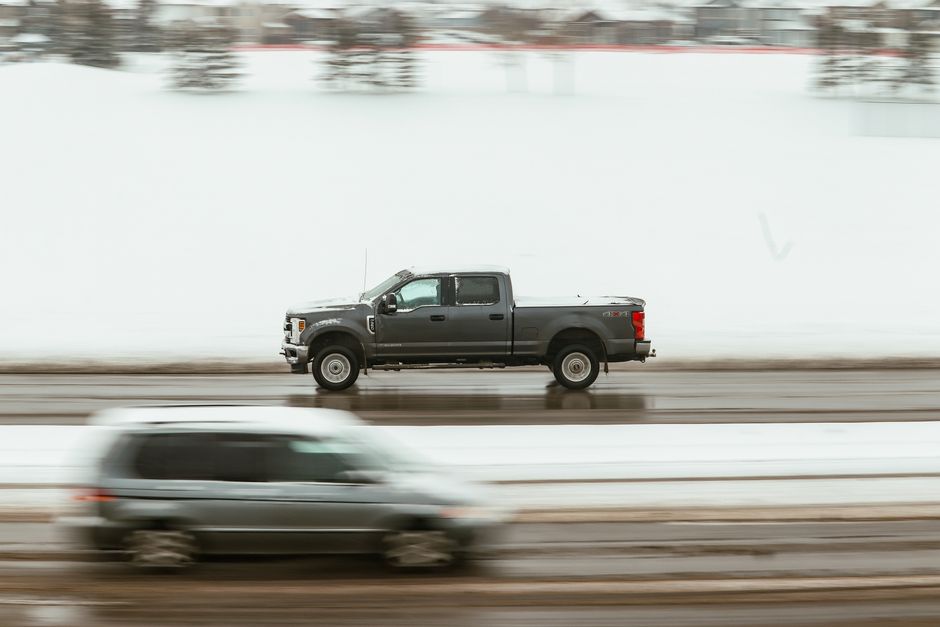
Photo: Sukhan Sivia / PexelsBy engine
By engine: what your diesel actually needs
Most diesel pickups fall into a handful of engines. Find yours, note the rough cranking target and output tier, then pick the unit inside that tier that fits your budget and your weather.
6.7L Cummins (Ram 2500 / 3500)
Displacement: About 409 cu in
Cranking target: Baseline near 800 CCA, well past 1000 in deep cold
The 6.7L Cummins is a heavy, high-compression six and a benchmark for this category. Many trucks carry two batteries, and on a cold morning the combined demand is serious. You want a pack that explicitly supports diesels up to roughly this size on sustained output, not a unit leaning on a giant peak number. In cold country this is firmly very-high-output territory, which is why the GBX155 is the safe default here, with the Boost X GB150 as the equally robust alternative.
6.7L Power Stroke (Ford F-250 / F-350)
Displacement: About 406 cu in
Cranking target: Baseline near 800 CCA, more with a cold margin
The 6.7L Power Stroke sits right alongside the Cummins in cranking demand, and like the Ford and Ram heavy-duties it commonly runs a dual-battery setup. Treat it the same way: size to the high end, insist on stated diesel support at or above this displacement, and add margin if your winters bite. The very-high-output units are the dependable choice; a strong mid-tier pack can manage in mild weather but leaves you no cushion when it is genuinely cold.
6.6L Duramax (GM 2500 / 3500)
Displacement: About 403 cu in
Cranking target: Baseline near 800 CCA, more in the cold
The 6.6L Duramax is a fraction smaller than the 6.7s but lives in the same heavy-duty world and asks for similar cranking power. In a mild climate a strong high-output unit like the Alpha 100, with its useful live display, will handle it comfortably. If you are in a cold-winter state, step up to the very-high-output tier for the extra margin rather than running the pack at the edge of its rating every January.
The legendary 5.9L Cummins is a touch smaller in displacement, so the baseline cranking target is a little lower, but it is still very much a diesel and still wants real output. A high-amp value unit like the GP4000 is a sensible match for a mild climate or a well-maintained battery, and the budget AVAPOW 3000A has a track record of starting trucks in this class. In hard cold, add margin and move up a tier rather than counting on the baseline.
These targets are planning figures from the displacement rule, not a substitute for your engine's own specs. When in doubt, size up: margin is cheap insurance on a cold morning.
Compare
Comparing 5 jump starters for diesel trucks
Every pick here is a lithium pack that can crank a diesel. They differ on sustained output, the engine size they support, cold-weather margin and extras. Scan the table, then read the decision cards below.
Budget buyers and second-vehicle backup who want a proven pack that has cranked real diesels
Prices move constantly, so we use tiers, not figures. Output and engine-size limits are the maker's stated capability, and you should always confirm diesel support for your exact engine before buying.
The pick for big diesels
If you run a big diesel: NOCO GBX155
Best for big diesels
NOCO GBX155
The one to buy if you own a big diesel and want margin to spare: very high sustained output, stated support for the largest engines, and the headroom that cold mornings demand.
Output: Very highMax diesel: Up to ~8LLithiumExtras: USB-C PD in/out, work lightPrice: Premium
Best for: Owners of 6.7L Cummins, Power Stroke and Duramax heavy-duties, especially in cold country
If you run a modern heavy-duty diesel, this is the pack I point people at first, because it is the one sized with margin instead of marketing. Its sustained output is in the top bracket and, crucially, the maker states support for diesels up to around eight liters, so a 6.7L Cummins, Power Stroke or Duramax sits comfortably inside its envelope rather than at the ragged edge. That headroom is the whole point on a cold morning, when the oil is thick, the battery is sluggish and a truck with two batteries is asking for everything at once. The lithium cells keep it light and compact for the output, it recharges over USB-C power delivery and can fast-charge your phone or laptop in a pinch, and the work light earns its keep when you are clamping onto terminals in the dark. The honest catch is that all this capability costs money and takes up room, so if your diesel is small or your winters are mild, you are paying for margin you may never use. For a big diesel in a cold climate, that margin is exactly what you are buying.
Strengths
Very high output with stated support for diesels up to roughly 8L, so a 6.7 is well within range
Real margin for cold weather and dual-battery trucks, where smaller packs run out of room
USB-C power delivery in and out doubles it as a serious device charger, and a built-in light helps in the dark
Watch-out
Premium price and a bigger pack to store, which is overkill for a small diesel or a mild climate
Each of these beats the recommended pick for one specific owner: tougher build, a live display, better value, or the lowest price. Match the one to your engine and your weather.
Most robust
NOCO Boost X GB150
The robust premium alternative: very high output in a rugged, well-protected package, for the owner who values build quality and spark-proof clamps as much as raw amps.
Output: Very highMax diesel: Up to ~7-8LLithiumExtras: USB-C, work lightPrice: Premium
Best for: Big-diesel owners who want a tough, well-protected pack and lean on quality clamps and safety features
Where the GBX155 is the maximum-margin pick, the Boost X GB150 is the one to choose when build quality and safety hardware sit at the top of your list. It lives in the same very-high-output bracket and will crank a 6.7L diesel without drama, and what stands out in the hand is how solid and well-protected it feels: thoughtful clamps, the reverse-polarity and spark protection you want when you are working near a venting battery, and a casing built to ride around in a truck box for years. It charges over USB-C and carries a usable light, and the lithium chemistry keeps it manageable to lift and stow despite the output. The two NOCO units are close enough that the decision often comes down to which deal is better on the day and whether you specifically want the absolute largest-engine headroom of the GBX155. If you would rather have the toughest, best-protected pack and you do not need the very top of the diesel-size range, this is a confident buy.
Strengths
Very high output that handles large diesels, a peer to the GBX155 on cranking capability
Rugged, well-built unit with strong clamp design and the usual reverse-polarity and spark protection
USB-C charging and a light, with the same lithium lightness-for-output as its stablemate
Watch-out
Premium price, and on paper its diesel-size headroom is a hair below the very largest-engine unit
The informative pick: high output with a genuinely useful live display that shows charge, voltage and connection status, so you are never guessing in the dark.
Output: HighMax diesel: Up to ~7LLithiumExtras: Smart color display, light, USBPrice: Step-up
Best for: Owners who want to see exactly what the pack is doing, and run mid-to-large diesels in mild-to-moderate cold
The Alpha 100 has earned its following for one reason beyond its strong output: it tells you what is going on. The bright display shows state of charge as a real percentage and gives connection feedback, so instead of staring at a single blinking LED and hoping, you can see the pack is healthy, see it is connected properly, and see how much it has left after a crank. For a careful owner that visibility is worth a lot, especially at night or in the cold when you want confirmation, not faith. On capability it sits in the high-output bracket, which makes it a comfortable match for a 6.6L Duramax or a well-maintained 6.7L in mild-to-moderate weather, and it brings a genuinely useful work light and quick USB charging along for the ride. The line I draw is climate and configuration: if you run a big twin-battery diesel in genuinely brutal cold, the very-high-output NOCO units give you margin this one does not quite have. For most owners in most weather, the Alpha 100 hits a sweet spot of capability and information.
Strengths
High output that handles mid-to-large diesels, a strong match for a 6.6L or a well-kept 6.7L in moderate weather
A clear color display shows state of charge and connection feedback, which removes a lot of guesswork at the roadside
Popular, well-supported, with a strong light and fast USB charging built in
Watch-out
High but not the very-highest output, so deep-cold or twin-battery big diesels want a step up in margin
The value workhorse: high output and stated support for sizeable diesels at a mid-range price, the sensible pick when you want capability without paying the premium.
Output: HighMax diesel: Up to ~6.7LLithiumExtras: Work light, fast USB outputPrice: Mid-range
Best for: Value-minded owners of mid-size diesels who want real cranking amps without the premium price
The GP4000 is the unit I recommend when someone wants real diesel cranking power but does not want to spend premium money to get it. It sits in the high-output bracket and states support for sizeable diesels, which makes it a genuinely capable pack for a 5.9L Cummins, a smaller diesel, or even a 6.7L in fair weather and with a battery that is not stone dead. You get the lithium lightness, a strong work light and fast USB charging, and the overall package punches above its price. The trade you are making is margin. It does not carry the deep reserve of the very-high-output NOCO units, so if you live where January routinely runs well below freezing, or you run a big twin-battery heavy-duty, you are better served stepping up a tier and keeping headroom in hand. But for a mid-size diesel, a milder climate, or anyone who keeps their starting battery in good shape and simply wants reliable backup, this is a lot of capable hardware for the money.
Strengths
High output with stated diesel support that covers most mid-size diesels, including up to a 6.7L in fair weather
Clear value, delivering serious cranking amps for noticeably less than the premium units
Bright light and fast USB charging, the practical extras you actually reach for
Watch-out
Less cold-weather and big-engine headroom than the premium tier, so hard-winter big diesels should size up
The smart budget pick: a strong, affordable lithium pack with a real-world record of starting diesels including a Ram 2500 Cummins, best kept for milder duty.
Output: StrongMax diesel: Up to ~6.7L (lighter use)LithiumExtras: Light, dual USB portsPrice: Budget
Best for: Budget buyers and second-vehicle backup who want a proven pack that has cranked real diesels
The AVAPOW 3000A is the budget option that does not feel like a gamble, because it has a track record of doing the actual job: owners report it starting real diesels, including a Ram 2500 Cummins, which is exactly the kind of evidence I trust more than a peak-amp sticker. For a value pack it pushes strong output, runs the same convenient lithium chemistry as the pricier units, and brings a light and dual USB ports for everyday use. Where I draw the line is honesty about margin. At this price you are buying a pack that can get the job done, not one with a deep reserve for the worst day of the year, so the right way to own it is as backup for milder conditions, a smaller or well-maintained diesel, or a battery that is weak rather than fully dead. Keep it charged, keep your truck's battery healthy, and respect that a budget pack is sized closer to the requirement than the premium units are. Used that way, it is remarkable value and a sensible first diesel jump starter or a spare for the second vehicle.
Strengths
Strong output for the price, with owners reporting successful starts on diesels up to a Ram 2500 Cummins
The easiest way into a capable lithium diesel pack without overspending
Carries a light and dual USB ports, covering the everyday extras
Watch-out
Budget margin, so reserve it for milder conditions and a battery with some life, not deep-cold worst cases
Output decides whether the engine turns over. These five factors decide whether the pack is safe, dependable and still working when you finally need it.
Output matched to your engine, not the box
Start from the displacement math, roughly 120 CCA per liter, then buy a pack whose sustained output and stated diesel-size support clear that target with margin. Ignore the giant peak-amp headline. The single most common mistake is buying a unit rated for cars and hoping it will crank a 6.7L, and it will not. Match the tool to the engine first; everything else is secondary.
Battery chemistry and how it handles cold
Lithium packs are light and compact for their output, which is why every unit here uses them, but quality of cells and thermal management matters more in a diesel pack than in a phone bank. Better units use quality cells and some use supercapacitor-assisted or robust designs that tolerate cold and the thermal cycling of repeated cranks. A cheap pack with weak cells will sag under a diesel load and lose capacity fast in the cold, exactly when you need it most.
Cold rating and operating range
A pack that performs in a 70-degree garage can fall on its face at zero. Check the stated operating temperature range and treat the cold end honestly, because that is the morning you will actually need it. The colder your winters, the more output margin and the better cold tolerance you want. This is also why storage matters: a pack kept warm before use will deliver noticeably more than one that has soaked overnight in a freezing truck box.
Clamps, cables and safety protection
The clamps are where the energy and the danger meet. Look for substantial, well-made clamps with thick cables, plus reverse-polarity protection, spark-proof or no-spark connection design, and over-current protection. These features keep a high-current device from turning a slip of the hand into a damaged truck or an injury. On a tool that dumps this much current next to a venting battery, good protection is not a luxury, it is the point.
Extras that actually earn their place
Many diesel packs double as more than a jump starter, and a few extras genuinely earn their keep: a built-in air compressor for topping a low tire on the road, USB or USB-C ports to charge a dead phone, and a strong work light for clamping in the dark. Treat these as tie-breakers, not the deciding factor. Buy the output and safety first, then let the useful extras choose between two otherwise-equal packs.
Do not buy if
When NOT to buy these (and what to do instead)
Honest sizing means knowing the failure cases. Buy the wrong pack for these situations and you will be stranded with a dead truck and a dead toy.
!Do not buy a small car jump starter for a 6.7L diesel
This is the number-one error. A compact pack sized for cars and gas SUVs simply cannot deliver the sustained current a big diesel needs, especially cold. It will blink, sag and quit. If you own a 6.7L Cummins, Power Stroke or Duramax, skip the small units entirely and start in the high-to-very-high output tier with stated support for your engine size.
!Do not trust peak-amp numbers alone
A four-figure peak-amp headline is a fraction-of-a-second marketing figure, not a measure of whether the pack will crank your diesel. Two units with the same peak number can be worlds apart in sustained output. Buy on the cranking or sustained rating and a clear statement of the diesel engine size the unit supports. If a listing never mentions diesel displacement, assume it is a car booster.
!Do not skip the cold-weather margin
The displacement rule gives you a mild-weather baseline. In real cold the battery weakens and the oil thickens at the same time, so a pack sized exactly to the baseline will be working at its limit on the worst morning of the year. If you live where winter bites, add twenty to forty percent of output margin and size up a tier rather than buying right at the number.
!Do not treat a jump pack as a cure for a failing battery
A jump starter gets you moving once. It does not fix a battery near the end of its life, a weak alternator, corroded terminals or a parasitic draw. If your diesel needs a jump every cold morning, the pack is treating a symptom. Diagnose and replace the failing part, and keep the truck's own battery healthy so the pack only ever has to assist, not carry the whole load.
!Do not buy a unit that never states diesel support
If the listing shouts amps but is silent on diesel engine size, that silence is the answer. Reputable diesel-capable packs state the largest engine they support. A unit that only advertises cars, or only quotes a peak number, is telling you it was not built for the job. Pass on it and choose one that explicitly covers your engine displacement.
Field tips
Field tips: jump safely and keep the pack ready
The right pack only helps if it is charged when you need it and you connect it correctly. These habits keep it ready and keep the procedure safe.
Recharge the pack about once a month. Lithium packs self-discharge slowly, and a unit that has sat for a year may be flat the morning you finally need it. A monthly top-up, or storing it around half to full charge, is the cheapest reliability you will ever buy.
Keep it warm before a cold-weather start. Lithium loses usable output in the cold, so store the pack inside rather than in a frozen truck box, and if it has been cold, warm it in the cab for a few minutes before you crank. A warm pack delivers noticeably more than a frozen one.
Connect in the right order, every time. With the pack off, clamp red to the battery positive terminal first, then clamp black to a clean, unpainted metal ground point on the engine or chassis, away from the battery, not to the negative terminal. This keeps any spark away from the battery, which can vent hydrogen.
Let it sit, then crank in short bursts. After connecting, give the pack a moment to feed the battery before you turn the key. Crank in bursts of about ten seconds with a rest between, rather than one long grind, to protect both the starter and the pack from overheating.
Disconnect in reverse and stow it charged. Once the engine is running, remove the black ground clamp first, then the red, switch the pack off, and recharge it before it goes back in the truck so it is ready for the next time, not the last time.
Keep the truck's own battery and terminals healthy. Clean, tight, corrosion-free terminals and a battery in good condition mean the pack only ever has to assist. Most cold no-starts trace back to a tired battery, so maintain that first and let the jump pack be true backup.
Questions
Jump starter for diesel trucks FAQ
How many cranking amps do I need to jump start a diesel truck?
Start from your displacement. The rule of thumb is about two cold-cranking amps per cubic inch, or roughly 120 CCA per liter, so a 6.7L diesel lands near 800 CCA as a mild-weather baseline. Then add a cold-weather margin of around twenty to forty percent, because cold thickens the oil and weakens the battery at the same time. Buy a pack whose sustained output and stated diesel-size support clear that target, not just one with a big peak-amp headline.
Will a regular car jump starter work on a diesel?
Usually not on a big diesel. A diesel runs far higher compression and a heavier starting load than a gas engine, so it needs much more sustained cranking current, roughly two CCA per cubic inch. A small pack sized for cars and gas SUVs will sag and quit trying to turn over a 6.7L Cummins or Power Stroke, especially in the cold. For a sizeable diesel, buy a unit that explicitly states diesel support at or above your engine size.
What is the difference between peak amps and cranking amps?
Peak amps are an instantaneous figure measured for a fraction of a second into a near-short, and they are often a large multiple of what the pack can actually sustain. Cranking or sustained amps describe how much current the unit can hold for a real cranking burst, which is what a diesel needs. Peak amps make great marketing and tell you little. Buy on the sustained rating and a stated diesel engine-size limit instead.
Can a lithium jump starter handle cold weather?
Yes, with the right unit and a little care. Lithium packs lose some usable output in the cold, so it pays to choose a unit with quality cells, a stated cold-operating range and output margin over your baseline. Then keep it warm before use: store it indoors rather than in a frozen truck box, and warm it in the cab for a few minutes if it has been cold. A warm, well-sized lithium pack will crank a cold diesel reliably; a frozen, marginal one may not.
What size jump starter do I need for a 6.7L Cummins or Power Stroke?
Size to the high end. A 6.7L diesel is around 406 to 409 cubic inches, so the baseline target is near 800 CCA, and many of these trucks run two batteries that together ask for serious current on a cold morning. That puts you in the very-high-output bracket with a unit that states support for diesels at or above this displacement, such as the NOCO GBX155 or Boost X GB150. Add margin if your winters are harsh rather than buying right at the baseline.
What about a 6.6L Duramax or an older 5.9L Cummins?
The 6.6L Duramax is only a fraction smaller than the 6.7s and lives in the same heavy-duty world, so a strong high-output unit handles it in mild weather and a very-high-output pack is the safer call in the cold. The older 5.9L Cummins has a slightly lower baseline, near 700 CCA, so a high-amp value unit like the GOOLOO GP4000 suits it well, with the budget AVAPOW 3000A a proven option for milder duty. In hard cold, size up a tier on either.
Do diesel jump starters double as air compressors and chargers?
Many do, and the extras can be genuinely useful. A built-in air compressor lets you top a low tire at the roadside, USB and USB-C ports charge a dead phone or other devices, and a strong work light helps when you are clamping onto terminals in the dark. Treat these as tie-breakers, though, not the main decision. Buy the cranking output and the safety features first, then let the useful extras choose between two otherwise-equal packs.
How do I safely jump start a diesel truck with a jump pack?
With the pack switched off, connect red to the battery positive terminal first, then connect black to a clean, unpainted metal ground on the engine or chassis away from the battery, not to the negative terminal, so any spark stays clear of a battery that can vent hydrogen. Turn the pack on, let it feed the battery for a moment, then crank in short bursts of about ten seconds with rests between. Once running, remove the black clamp first, then the red, and switch the pack off.
How often should I charge my jump starter?
About once a month, or whenever it drops below a comfortable level. Lithium packs self-discharge slowly, so a unit left untouched for a year can be flat the very morning you need it. Storing it around half to full charge and giving it a monthly top-up keeps it ready. It is the single most common reason a perfectly good pack fails to start a truck: not weak output, just an owner who never recharged it.
Can one jump starter start both batteries on a dual-battery diesel?
Yes. Most heavy-duty diesels wire two batteries in parallel, so they act as one larger bank at the same voltage, and you connect the pack to that bank exactly as you would a single battery, red to a positive terminal and black to a clean chassis ground. The larger combined demand is part of why these trucks need a high-output pack with margin. You do not connect to each battery separately; you assist the system, sized for the bigger load.
Affiliate disclosure. This guide pays its way through reader purchases. Buy through a link here and we may earn a small commission at no added cost to you, and the picks are still chosen on cranking output, safety and value rather than on what pays best. As an Amazon Associate I earn from qualifying purchases.
A jump starter is a high-current device. Follow the connection order on this page and in your unit's manual, work clear of a battery that can vent flammable gas, and treat repeated no-starts as a battery, alternator or wiring fault to diagnose, not just to jump. This is general guidance, not a substitute for your vehicle's service information.